Tamil Calls for Self-Determination Met with Violent State Crackdown in Sri Lanka
As Tamil communities in Sri Lanka's North and East pursue peaceful recognition of their right to self-determination, Sri Lankan security forces have escalated violent suppression tactics that threaten regional stability. The National Council of Canadian Tamils condemns these violations of fundamental human rights and calls for international intervention.
A Pattern of Escalating Violence
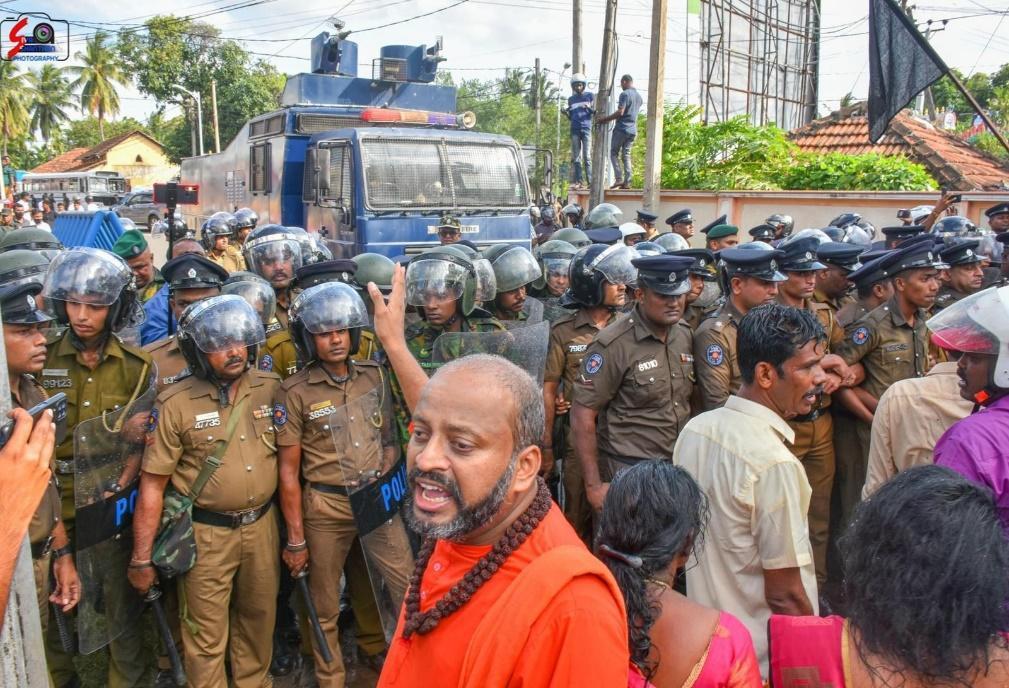
The recent wave of state violence against Tamil protesters began in earnest on January 15, 2023, when Sri Lankan security forces violently disrupted peaceful demonstrations during the President's visit to Jaffna. The authorities erected barricades and deployed water cannons against citizens gathered to protest during the Thai Pongal celebrations—a sacred time for the Tamil community.
Three days later, the crackdown intensified with the arrest of Tamil civil society leader Velan Swamigal, whose only transgression was participating in the January 15 protest. This arrest sent a chilling message to Tamil civil society: peaceful dissent would not be tolerated.
Tamil Nation Occupied Day Suppressed
The state's authoritarian response reached new heights during February 4-7, 2023, as Tamil communities prepared to mark what they call "Tamil Nation Occupied Day"—a counter-narrative to Sri Lanka's 75th Independence Day celebrations. For the Tamil people, February 4 represents not independence but occupation, a "black day" marking decades of systematic oppression.
"Right to protest is a fundamental human right. However, in Sri Lanka when Tamil people protest, their right to protest is being increasingly and violently suppressed."
Sri Lankan security forces deployed intimidation tactics, surveillance, and other coercive measures to prevent Tamils from freely participating in the North to East protest march. The message was clear: Tamil voices of dissent would be silenced through force.
Parliamentary Immunity Violated
The most brazen act of state overreach occurred on February 11, 2023, when security forces arrested Member of Parliament Selvarajah Kajendran alongside lawyer Kanagaratnam Sugash and sixteen other protesters. Their crime? Holding a peaceful black flag protest during the Sri Lankan President's visit to Jaffna.
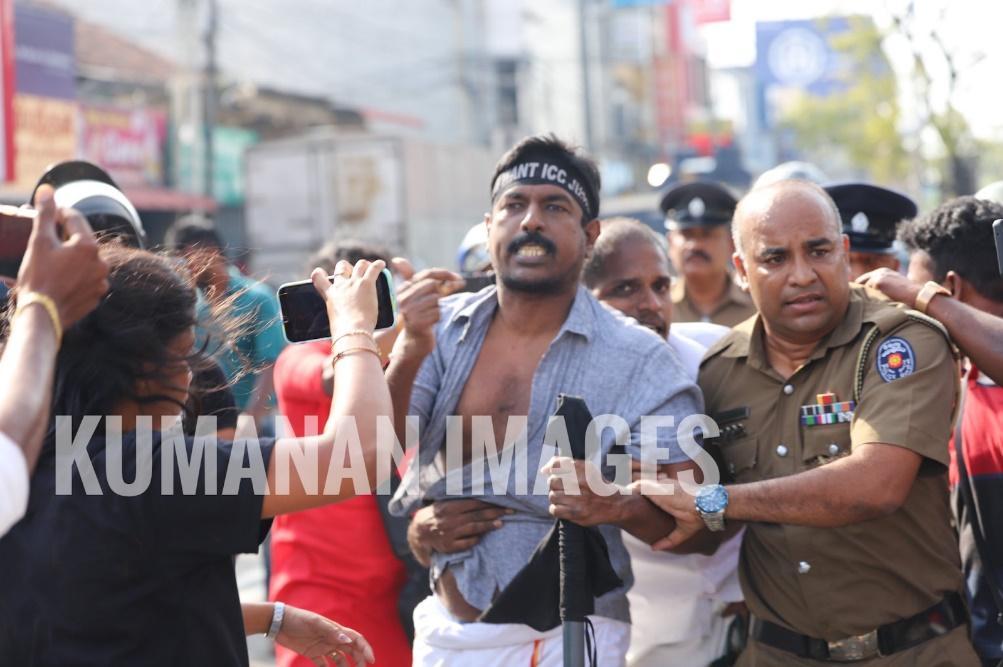
The arrest of a sitting parliamentarian represents a dangerous erosion of democratic norms and constitutional protections. When elected representatives cannot peacefully protest without facing arrest, the very foundations of democratic governance are under threat.
Seven Decades of Systematic Oppression
These recent incidents cannot be understood in isolation. They represent the continuation of what Tamil communities describe as seven decades of genocide—systematic efforts to suppress Tamil identity, culture, and political aspirations through state violence and military occupation.
Even as Sri Lanka grapples with its worst economic crisis in modern history, the government continues to allocate resources toward military oppression of Tamil regions rather than addressing the legitimate grievances that could bring lasting peace.
Regional Implications
The National Council of Canadian Tamils warns that Sri Lanka's continued suppression of Tamil rights poses broader threats to Indo-Pacific stability. In an era when democratic values face challenges worldwide, the international community cannot afford to ignore systematic human rights violations that destabilize an entire region.
"The current trend in Sri Lanka continues to destabilize the Indo-Pacific region. A permanent political solution to the Tamil National question only will bring permanent peace to this region."
A Call for International Action
The NCCT urges the international community to move beyond diplomatic statements and take concrete action to address this escalating crisis. The pattern is unmistakable: peaceful Tamil demands for recognition and self-determination are met with increasingly violent state responses.
True stability in the region requires acknowledging the Tamil people's right to self-determination and ending the military occupation that has defined their experience for generations. Until Sri Lanka addresses the root causes of this conflict through genuine political solutions, cycles of violence and instability will continue to threaten not only Tamil communities but the broader Indo-Pacific region.
The international community must recognize that sustainable peace requires justice—and justice begins with acknowledging the Tamil people's fundamental right to determine their own political future free from state violence and military oppression.