Seventeen Years of Remembrance: Tamil Community Calls for International Justice on Genocide Anniversary
On the 17th anniversary of Tamil Genocide Remembrance Day, the National Council of Canadian Tamils issues a powerful statement demanding international accountability for decades of systematic violence. The organization highlights ongoing structural genocide and calls for concrete action from Canada and the global community.
A Global Day of Solemn Remembrance
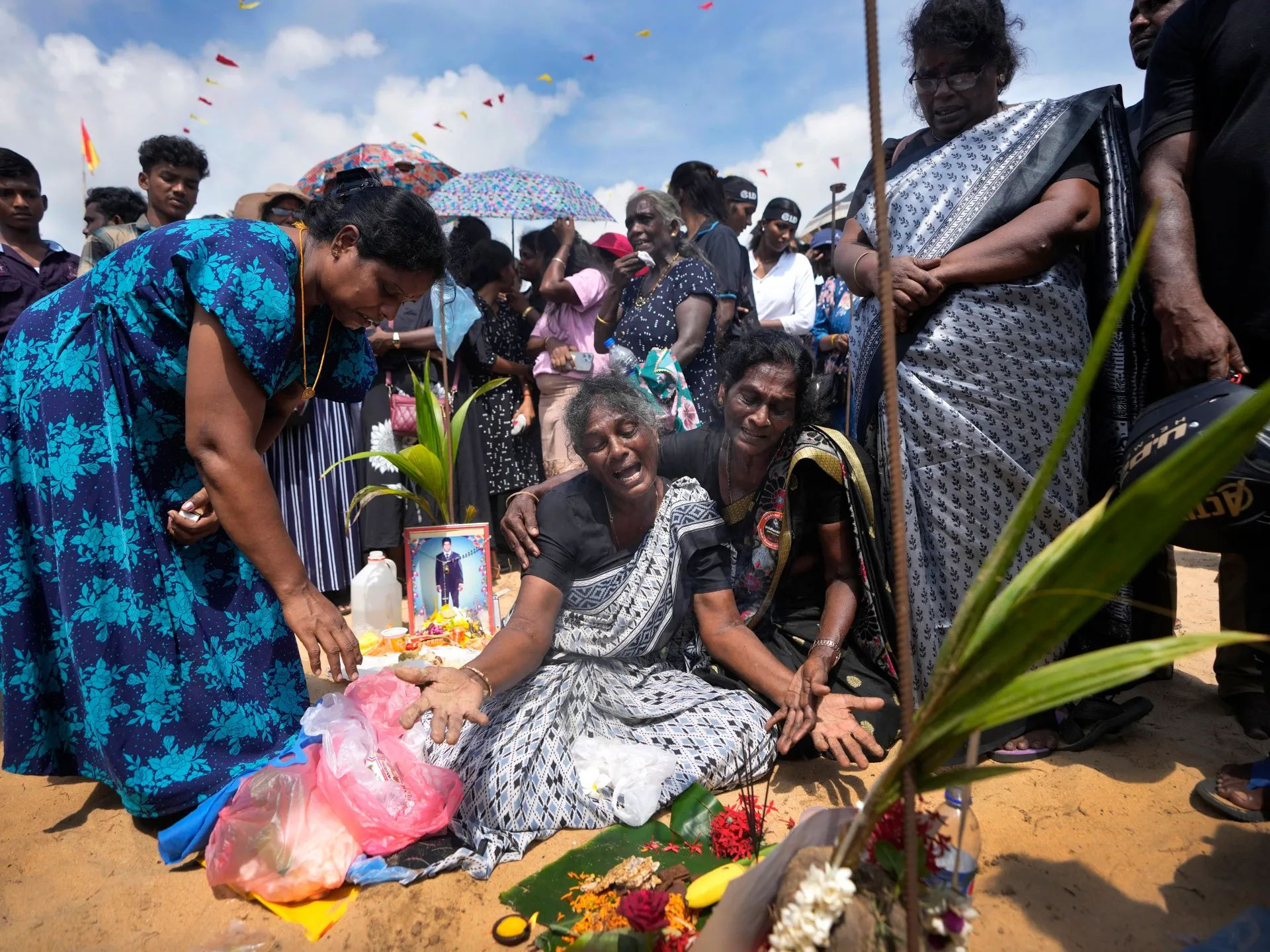
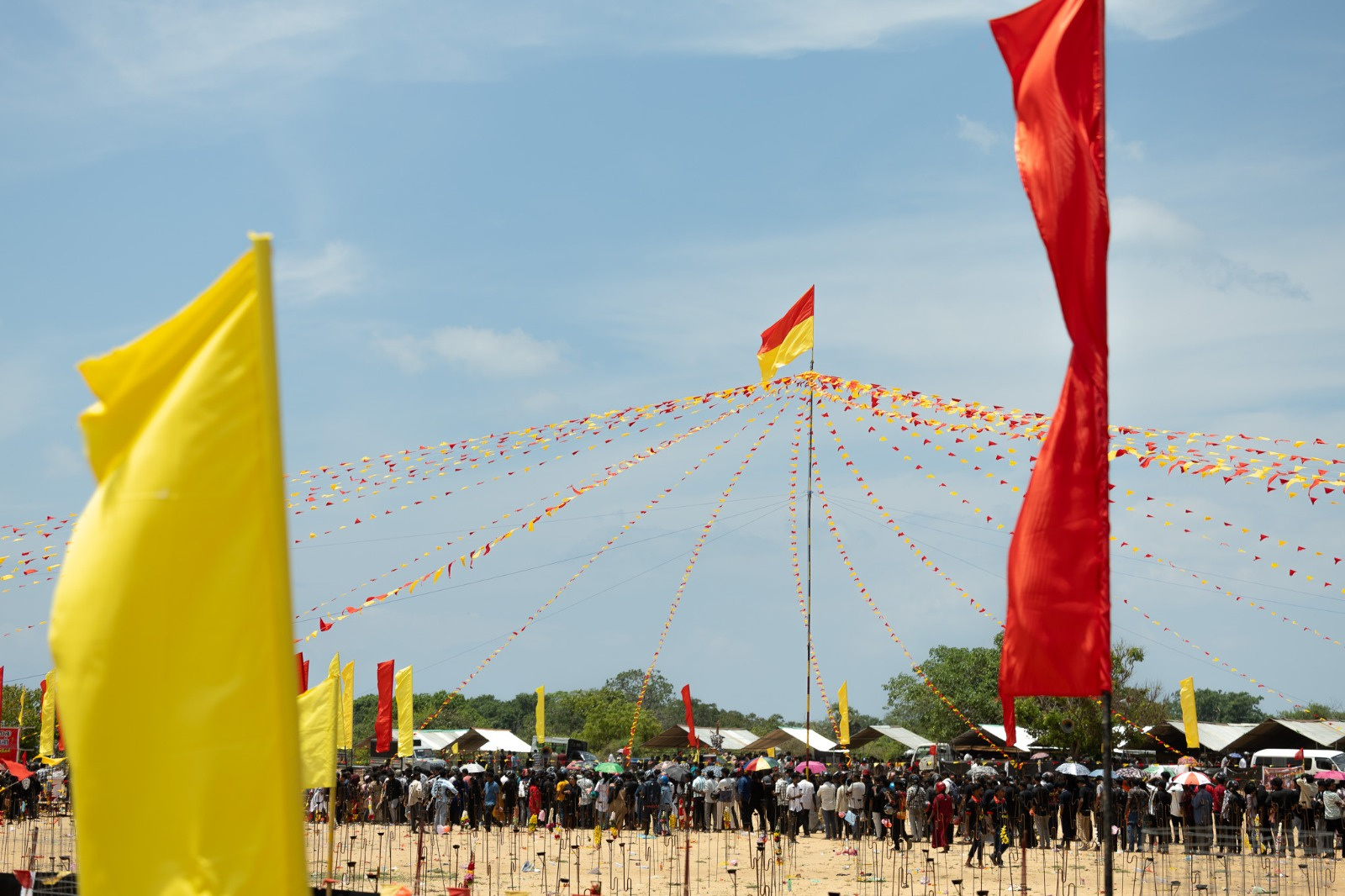
Today, on May 18th, 2026, Tamil people across the world gather in solemn remembrance to mark the 17th anniversary of Tamil Genocide Remembrance Day. From Canada to Tamil Eelam — the historical, traditional, and ancestral homeland of the Eelam Tamil people on the island of Sri Lanka — and across the global Tamil diaspora, Tamil people, together with allies and supporters, unite to honour and remember all Tamil lives lost since 1948 as a result of the genocide committed against the Tamil people by the Sri Lankan state.
The remembrance holds particular significance for the events of May 2009 in Mullivaikkal, which marked the heights of what the Tamil community characterizes as systematic genocide against their people.
"On this 17th anniversary of Tamil Genocide Remembrance Day, we continue to honour the incredible strength and enduring resilience of the Tamil people — a resilience that will never be extinguished — while standing in unwavering solidarity with Tamil Genocide victims, survivors, and their descendants."
The Persistent Failure of Domestic Justice
Seventeen years have passed since the heights of the Tamil Genocide in Mullivaikkal in May 2009. Even after over seven and a half decades of genocide against the Tamil people, meaningful international accountability and remedial justice continue to remain elusive. Tamil Genocide victims, survivors, and their descendants continue to be denied justice.
Sri Lanka has consistently failed to genuinely investigate or prosecute those responsible for the Tamil Genocide. Sri Lanka's state-owned domestic mechanisms have repeatedly failed to hold perpetrators accountable or to deliver meaningful remedial justice for the Tamil people, reflecting the deeply entrenched culture of impunity that continues to prevail within Sri Lanka.
The ongoing structural genocide of the Tamil people continues through various acts including Sri Lankan state-sponsored surveillance, intimidation, harassment, arbitrary arrests, violence, Buddhisization, colonization, militarization, Sinhalisation, and land grabs. These ongoing acts continue to systematically subjugate the Tamil people on the island of Sri Lanka and threaten their identity, safety, security, political aspirations, and continued existence as a nation.
UN Report Confirms Systematic Sexual Violence
A damning report released on January 13th, 2026 by the Office of the United Nations High Commissioner for Human Rights (OHCHR) titled "We Lost Everything – Even Hope for Justice: Accountability for Conflict-Related Sexual Violence in Sri Lanka" reaffirmed the long-established reality that Tamil people have been subjected to conflict-related sexual violence for decades at the hands of Sri Lankan state security forces within a deeply entrenched culture of impunity.
The report confirms that this violence has been deliberate, widespread, systemic, institutionally enabled, and ongoing. This conflict-related sexual violence continues to be systematically directed against the Tamil people as a tool of genocide and continues to be deliberately and strategically employed by the Sri Lankan state with genocidal intent to terrorize, subjugate, and destroy the Tamil people.
Furthermore, continued international attention on sites such as the Chemmani mass graves — including the visit by United Nations High Commissioner for Human Rights Volker Türk on June 25th, 2025 — serves as a painful reminder that Tamil people continue to seek truth, accountability, and remedial justice even decades later.
Urgent Call for International Mechanism
"Sri Lanka's persistent unwillingness to take meaningful steps toward accountability and remedial justice for the genocide being committed against the Tamil people makes it unmistakably clear that only a fully internationally-owned credible, international, independent, investigative and prosecutorial mechanism — one that has the trust and confidence of victims, survivors, and their descendants of the Tamil Genocide — can uncover the truth, hold perpetrators accountable, and deliver meaningful remedial justice."
While international initiatives — most notably the United Nations Human Rights Council's Sri Lanka Accountability Project (SLAP) — are engaged in the important work of gathering, preserving, and analyzing evidence, the Tamil people continue to await meaningful international accountability and remedial justice for Tamil Genocide.
Therefore, NCCT urges the international community, including Canada, to urgently take strengthened and coordinated actions — both unilaterally and multilaterally — to establish a fully internationally-owned, credible, international, independent investigative and prosecutorial mechanism that has the trust and confidence of the victims, survivors, and their descendants of the Tamil Genocide.
Canada's Role and Ongoing Challenges
In Canada, over the past 17 years, different levels of government, elected officials, school boards, civil society members, and organizations have made important contributions toward advancing recognition, accountability, and justice for the Tamil Genocide, while also helping to combat Tamil Genocide denial and distortion and Sri Lanka's foreign interference in Canada targeting Tamil Canadians.
These efforts include motions passed at various levels of government across Canada recognizing the Tamil Genocide, the Ontario Legislative Assembly passing Bill 104 — Tamil Genocide Education Week Act, the House of Commons of Canada recognizing May 18th each year as Tamil Genocide Remembrance Day, the Government of Canada imposing sanctions against four Sri Lankan government officials including former Presidents Mahinda Rajapaksa and Gotabaya Rajapaksa, Canada continuing to play an important role at the United Nations Human Rights Council as a core group member on Sri Lanka accountability initiatives, and the establishment of the Tamil Genocide Monument at Chinguacousy Park in Brampton.
Confronting Denial and Distortion
At the same time, Tamil Genocide deniers both within and outside Canada continue to engage in ongoing efforts of Tamil Genocide denial and distortion aimed at undermining Tamil Canadian community initiatives relating to Tamil Genocide remembrance, education, recognition, accountability, and memorialization.
These acts of Tamil Genocide denial and distortion have included attempts to oppose, challenge, discredit, and undermine initiatives such as the recognition of May 18th each year as Tamil Genocide Remembrance Day, Bill 104 — Tamil Genocide Education Week Act, and the establishment of the Tamil Genocide Monument in Brampton.
"Such actions signal a clear and deeply concerning attempt to harass, intimidate, and threaten the Tamil Canadian community, while suppressing the community's rightful ability to publicly commemorate and memorialize the Tamil Genocide freely and without fear."
Furthermore, the recent repeated acts of hate-motivated vandalism targeting the Tamil Genocide Monument further demonstrate the ongoing realities of Tamil Genocide denial and distortion, as well as broader efforts to silence survivors, intimidate the Tamil Canadian community, and erase the lived experiences and collective memory of the Tamil people.
A Call for Renewed Commitment
As we commemorate and memorialize the 17th anniversary of Tamil Genocide Remembrance Day, the NCCT calls for renewed commitment to continuing to combat Tamil Genocide denial and distortion, combat Sri Lanka's foreign interference in Canada targeting Tamil Canadians, and continue advocating for international recognition, international accountability, and meaningful remedial justice for the Tamil Genocide.
The organization also advocates for a permanent political solution grounded in the Tamil people's inalienable right to self-determination that can deliver a lasting and just resolution — one that meaningfully addresses the legitimate political aspirations of the Tamil people in their historical, traditional, and ancestral homeland on the island of Sri Lanka, while contributing to lasting and sustainable peace and stability in the Indo-Pacific region.
The NCCT urges Canada to take concrete measures to combat Tamil Genocide denial and distortion, and to do more to address foreign interference by the Sri Lankan state in Canada targeting Tamil Canadians.